Buyer's Guide
What Are Flatbed Sideboards? A Complete Buyer's Guide for Semi Truck Operators
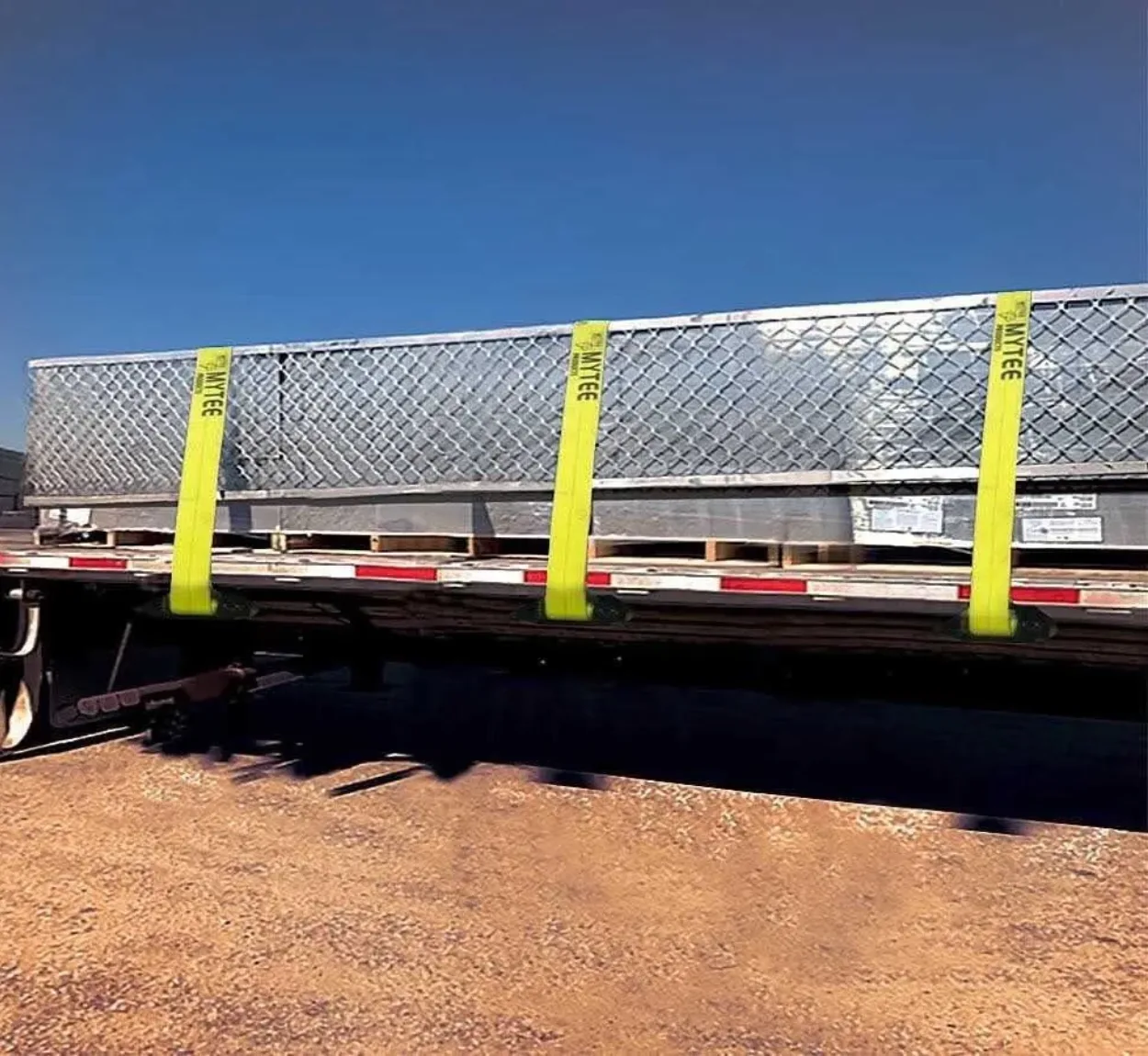
Flatbed sideboards are the panels that run along the sides of a semi truck flatbed to keep block, brick, pavers, and other heavy material where it belongs. You may also hear them called stake sides. If you haul masonry, the right sideboards protect your product, your driver, and everyone sharing the road with you.
This guide covers what sideboards do, the types and sizes available, how materials compare, what the cargo securement rules say, and how to order. We are a fabricator, so we will give you specifics and be straight about the trade-offs.
The basics
What Are Flatbed Sideboards?
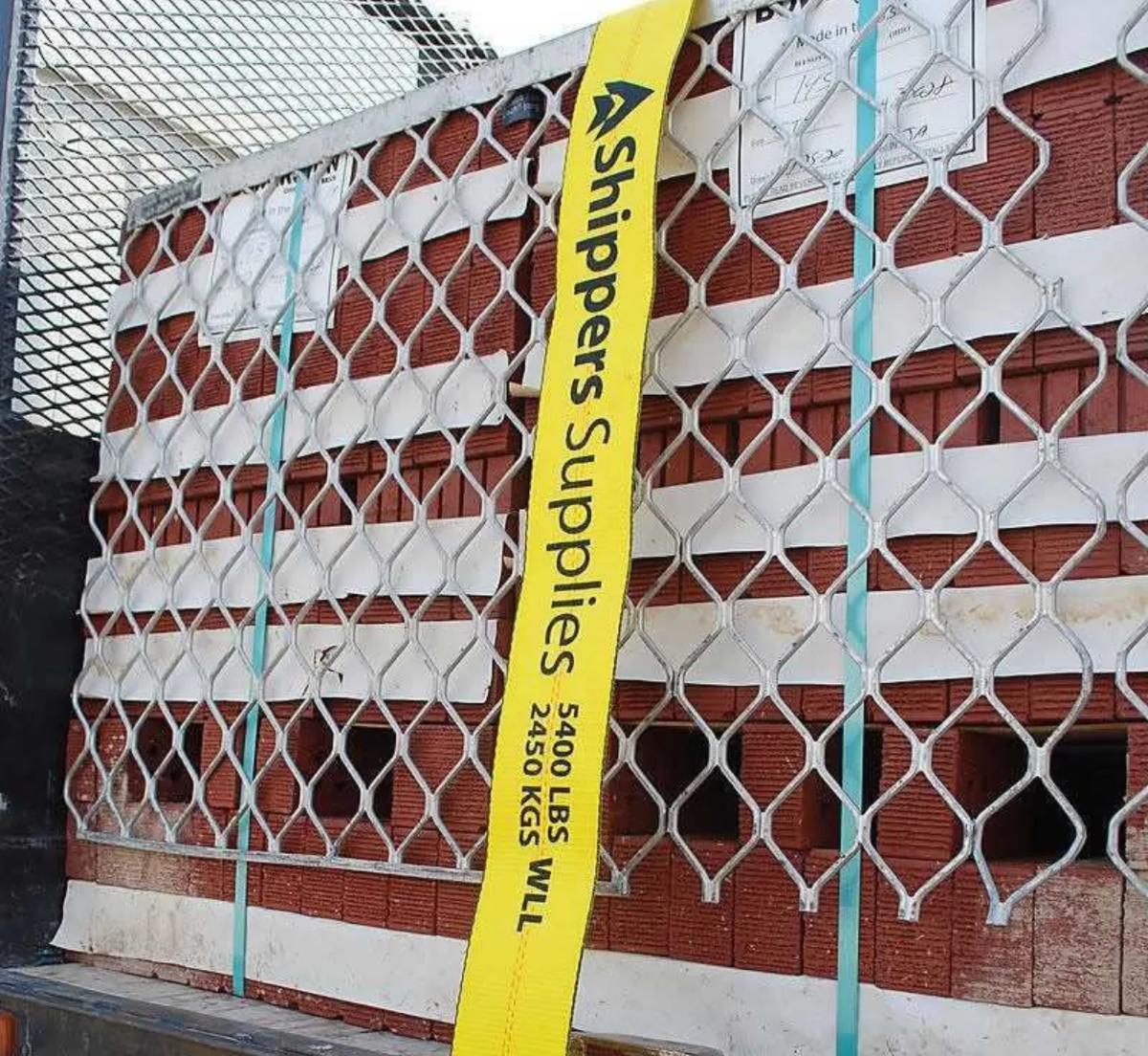
A sideboard is a rigid panel that mounts into the stake pockets along the edge of a flatbed. It forms a wall that contains the load from the side. Sideboards are common on trucks that deliver block, brick, cubes, pavers, and similar dense materials, where a load that shifts even a few inches can cause damage or a spill.
Sideboards work alongside straps, chains, and tarps. They do not replace them. Think of tiedowns as what holds the load down and sideboards as what keeps it from sliding out.
Key takeaway
Sideboards contain the load from the side. Tiedowns hold it down. A well-secured flatbed needs both working together.
The case for sideboards
Why Semi Truck Flatbeds Need Sideboards
A loaded flatbed is under constant stress. Acceleration, hard braking, and turns all push the load sideways. Masonry is dense, so that force is real. Sideboards give the load something solid to push against instead of the open edge of the deck.
There are three practical reasons operators use them:
Reason 1
Product protection
Shifting block and brick means chipped, cracked, or rejected product and a delivery that goes badly.
Reason 2
Safety
A load that escapes onto the road is a hazard to other drivers.
Reason 3
Regulatory exposure
Federal cargo securement rules apply to every flatbed in interstate commerce. Violations can bring fines, CSA points, and out-of-service orders that stop a truck on the spot.
Common mistake
Treating sideboards as optional equipment and relying on straps alone for loads that tend to shift sideways.
Our lineup
Types of Flatbed Sideboards
Unique Sideboards builds a focused lineup. Here is how the options break down.
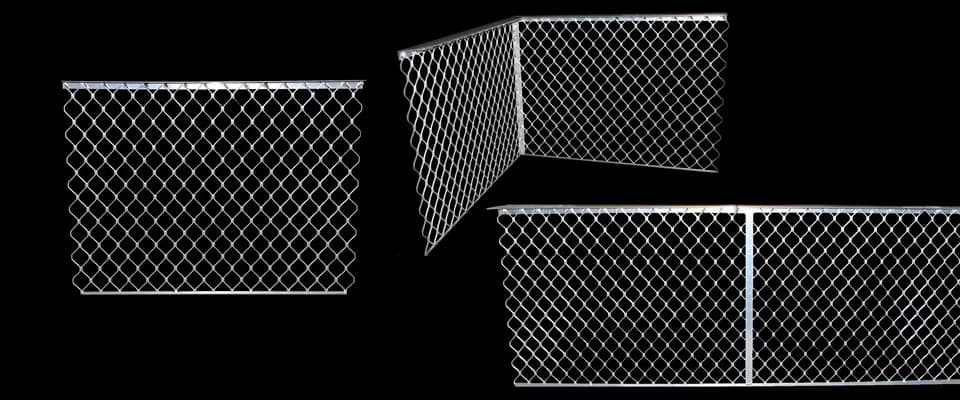
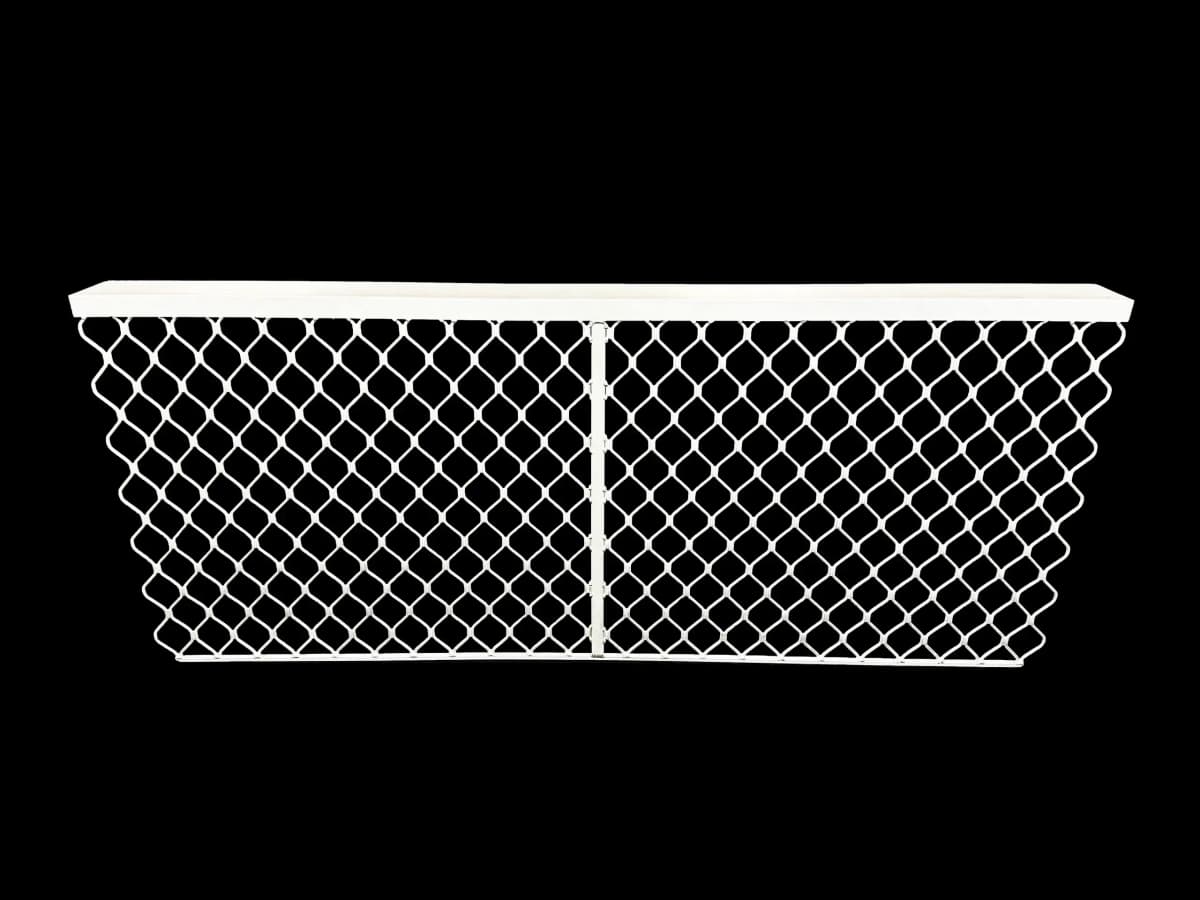
Standard sideboards (48" and 72" wide)
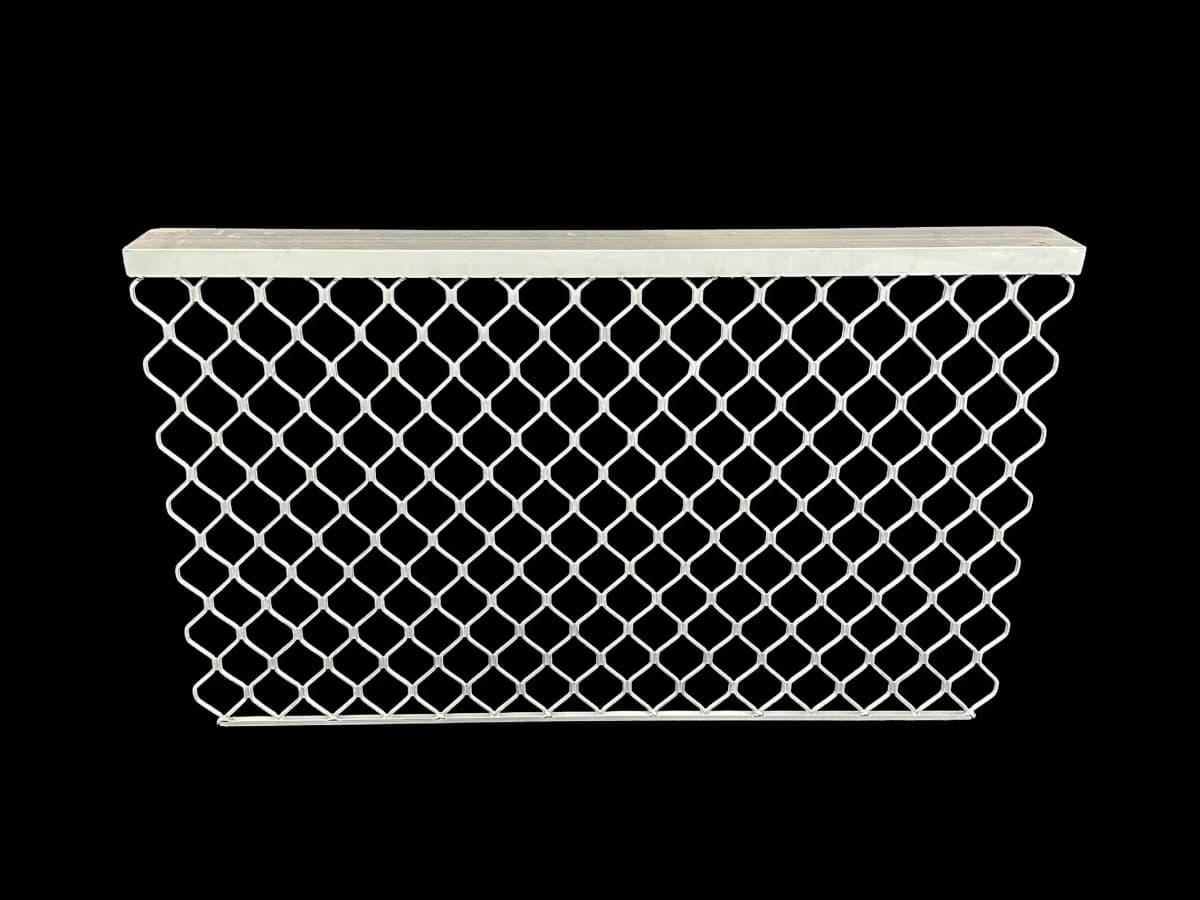
The 48" panel is the workhorse for standard flatbeds. The 72" panel covers more bed length per panel, which means fewer panels per side.
Heavy-Pro
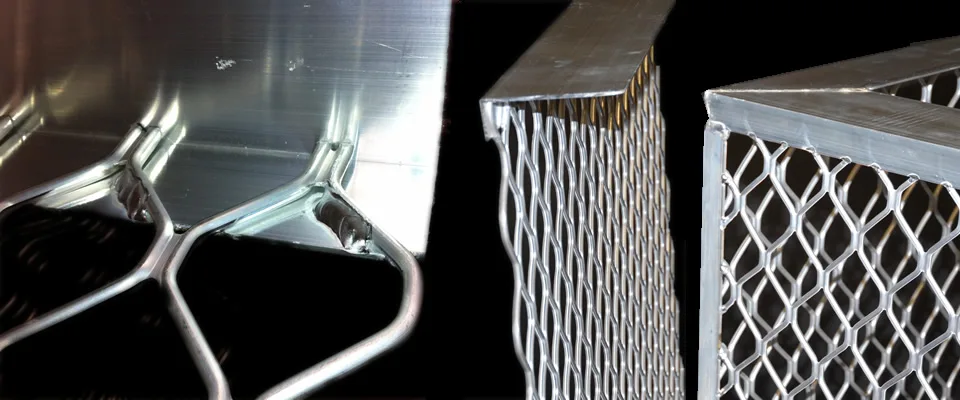
The 48" Heavy-Pro adds doubled U-channel borders for extra frame strength in the hardest-working applications.
Corner units
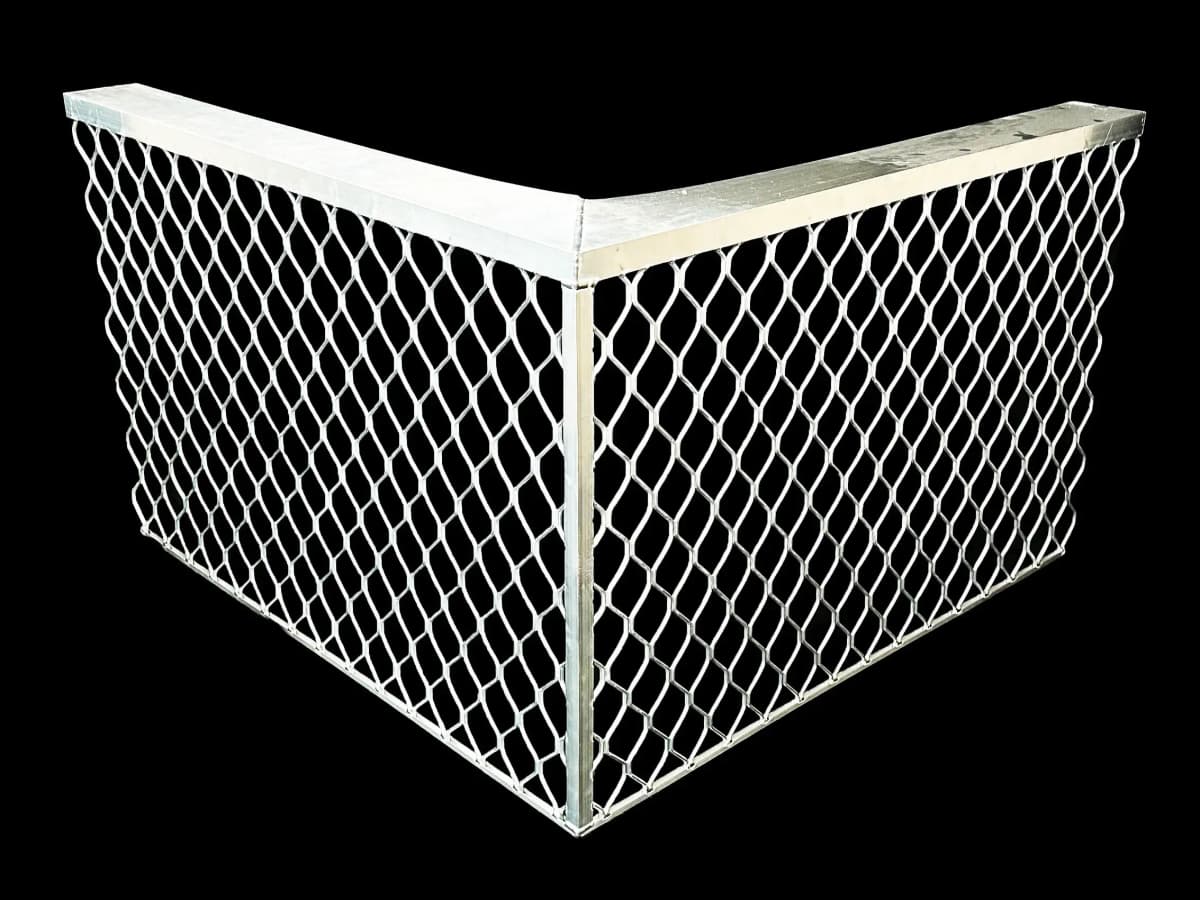
Corner units close the gap at the corners of the deck, where a flat panel cannot reach. If your cargo runs out to the corners, a corner unit completes the enclosure. Corner units can also save time. In the same 2014 report, Cemex's South Jacksonville Block facility said custom 90-degree corner panels cut load time by 20 minutes compared with shrink-wrapping cubes.
Custom sideboards
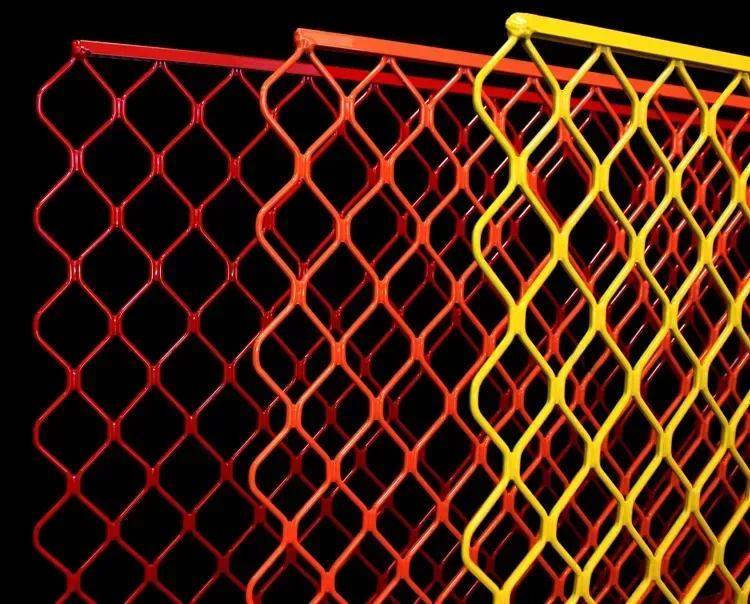
Not every truck is standard. We fabricate custom dimensions, edge options, and powder-coat color matching for fleets. Every order is custom quoted, so you can send your specs and get a quote built around your trucks.
Sizing
Choosing Sideboard Height: 30" or 36"
Height should match your load, not your habit.
1
Step 1:
Measure the height of the tallest stack you regularly haul.
2
Step 2:
Choose a panel that contains the load with margin, not one that barely clears it.
3
Step 3:
If your loads vary, ask us about a mixed set.
What to avoid
Picking the shorter panel to save money when your loads regularly run tall. A panel that does not contain the load is not doing its job.
Compliance
What to Know About Cargo Securement Rules
Flatbed cargo securement in the United States is governed by the Federal Motor Carrier Safety Administration (FMCSA) under 49 CFR Part 393, Subpart I. The rules set requirements for how cargo must be secured against shifting and falling, and drivers and carriers are responsible for meeting them.
One point worth stating plainly: FMCSA does not certify or approve individual sideboard products. What matters is that your cargo is secured and your equipment is in sound condition. That makes build quality and condition the things to look at.
In summary
The rules require secured cargo and sound equipment. Choose panels built to hold up, and inspect them as part of your routine. For the regulation itself, see the FMCSA cargo securement rules at fmcsa.dot.gov.
Pre-trip inspection
What to check before every trip:
Welds are intact, with no cracks at the frame corners
The mesh is not bowed or deformed
Edges are in good shape, with no bent or damaged sections
The panel seats fully in the stake pocket and does not rock
Hardware and retention pins are present
Materials
Aluminum, Steel, or Wood: How Materials Compare
Sideboards have traditionally been made from wood, steel, or aluminum. Here is an honest comparison.
| Aluminum Uni-Mesh | Steel | Wood | |
|---|---|---|---|
| Weight | Light | Heavy | Moderate |
| Rust | Does not rust | Rusts without protective coating | Does not rust, but can rot |
| Wear | Holds its shape with proper care | Often replaced when bent | Splits, splinters, and warps |
| Repairability | Weldable | Varies | Limited |
| Upfront cost | Typically higher | Typically lower | Typically lowest |
Trade-off to know about
Aluminum usually costs more upfront than steel or wood. The case for it rests on lighter weight, no rust, and the ability to repair a panel instead of replacing it. For a working fleet, that adds up over time.
About the build
Why Unique Sideboards
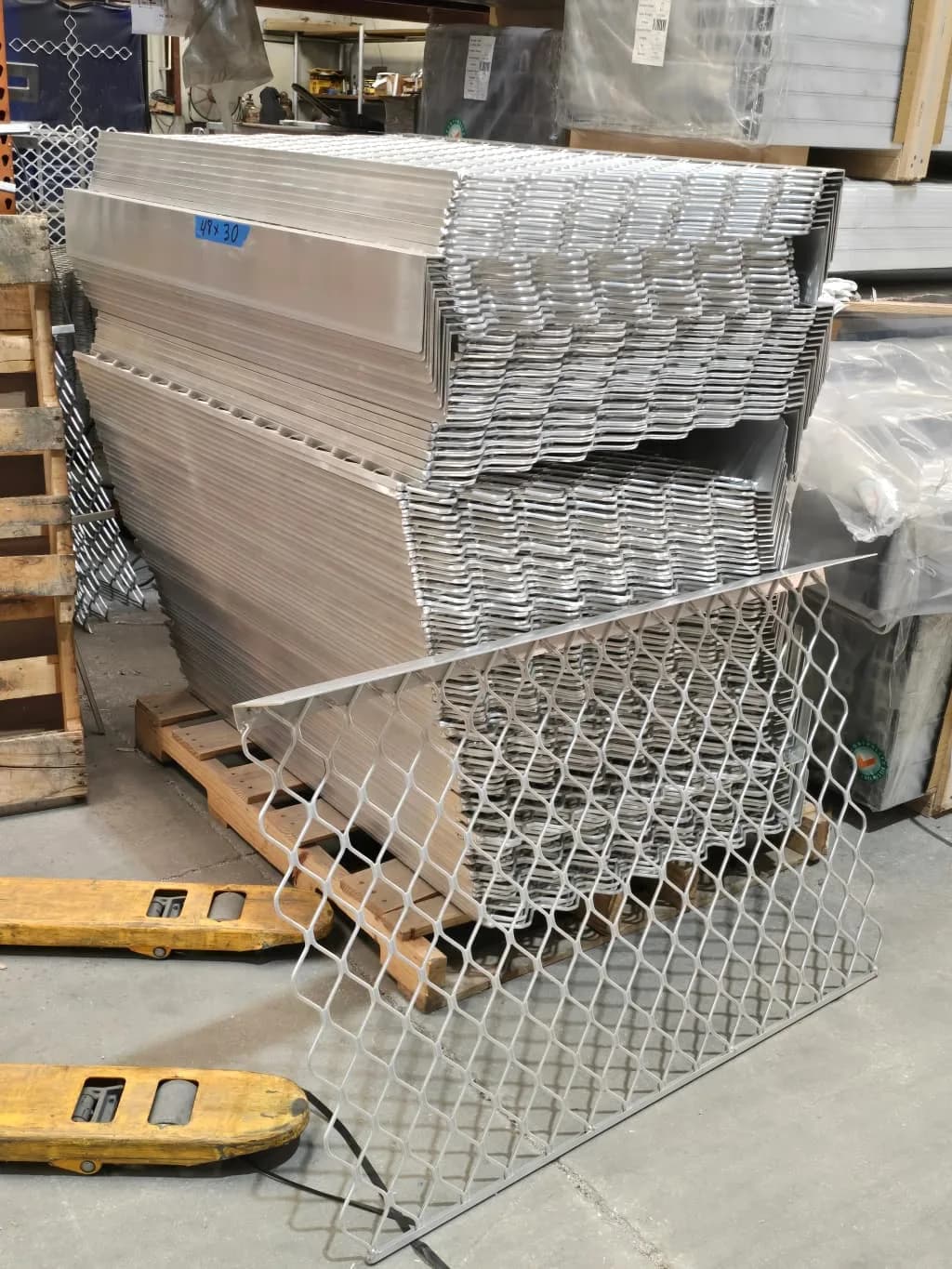
We have fabricated single-piece Uni-Mesh aluminum sideboards in Sarasota, Florida, since 1997. Here is what goes into every panel:
Third-party proof matters, too. In 2014, Concrete Products reported that Cemex's South Jacksonville Block facility in Florida chose custom aluminum sideboards from our Sarasota shop (then operating as Unique Technology), with safety as the main reason. The sideboards were mandatory company-wide.
Read the article:
Single-piece, precision-welded construction.
No bolted joints to work loose.
5/16" gauge Uni-Mesh aluminum.
Heavy-duty mesh that is lightweight but strong, and lets you see your load.
1/2" U-channel edge finishing.
Clean, strong edges that resist damage.
Exclusive 1-1/2" x 5" angle with a radius on the outer edge.
A profile designed for strength and easier handling.
Made in the USA.
The people who build the panel are the people you talk to when you order.
Questions
Frequently Asked Questions
What size sideboards do I need for my flatbed?
It depends on your stake pocket spacing and the height of your load. Most standard flatbeds use 48" wide panels, with 30" height for standard loads and 36" for taller stacks. If your truck is not standard, we can build to your dimensions. Send your specs, and we will recommend the right fit.
Are aluminum sideboards DOT compliant?
FMCSA does not approve or certify sideboard products. Federal rules in 49 CFR Part 393 require cargo to be secured, and sound, well-built panels are part of meeting that requirement.
Can I order custom sideboards for my fleet?
Yes. We fabricate custom dimensions, edge options, and powder-coat color matching. Every order is custom quoted, so email your truck specs and fleet size, and we will build the quote around them.
How long do aluminum sideboards last?
Service life depends on the loads you haul and how the panels are handled, especially forklift contact. Aluminum does not rust, and a single-piece welded panel can be repaired when damage is limited to one area.
Do sideboards replace straps and tarps?
No. Sideboards contain the load from the side. Straps and chains hold it down, and tarps cover it when needed. Use them together.
Ready to Order?
Tell us about your trucks and your loads. We will recommend the right panels and send a custom quote.
Factory Address & Inquiries

Call Direct

Our Headquarters
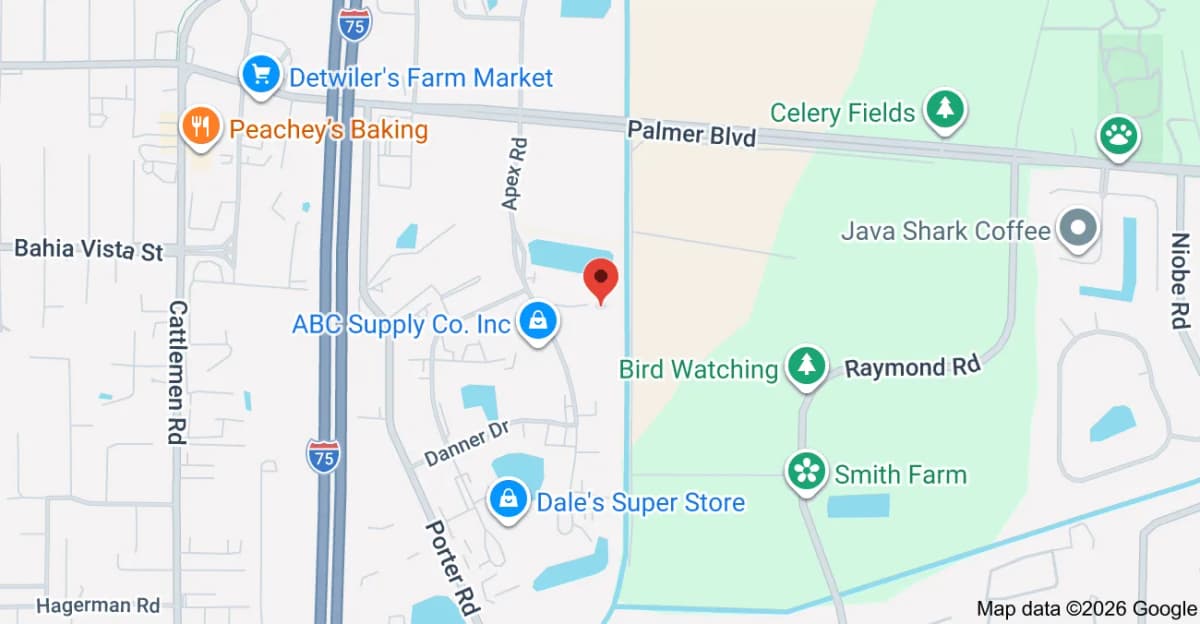
Unique Sideboards, 1523 Edgar Place, Sarasota, FL 34240
Open in Google Maps ↗